← Back to Wellbeing and Resources
Meditation
What is it?
“The body benefits from movement, and the mind benefits from stillness.” Sakyong Mipham
Meditation originated in Eastern wellness traditions, however, it's now worldwide and is growing in popularity in Western cultures. Meditation is an ongoing process of training your mind to focus and redirect your thoughts. You can use it to increase awareness of yourself and your surroundings.
Meditation is a mind and body practice used for increasing calmness and relaxation, improving psychological balance, coping with illness, and enhancing overall health and well-being. Mind and body practices focus on the connections between the brain, mind, body, and behaviour.
What are benefits?
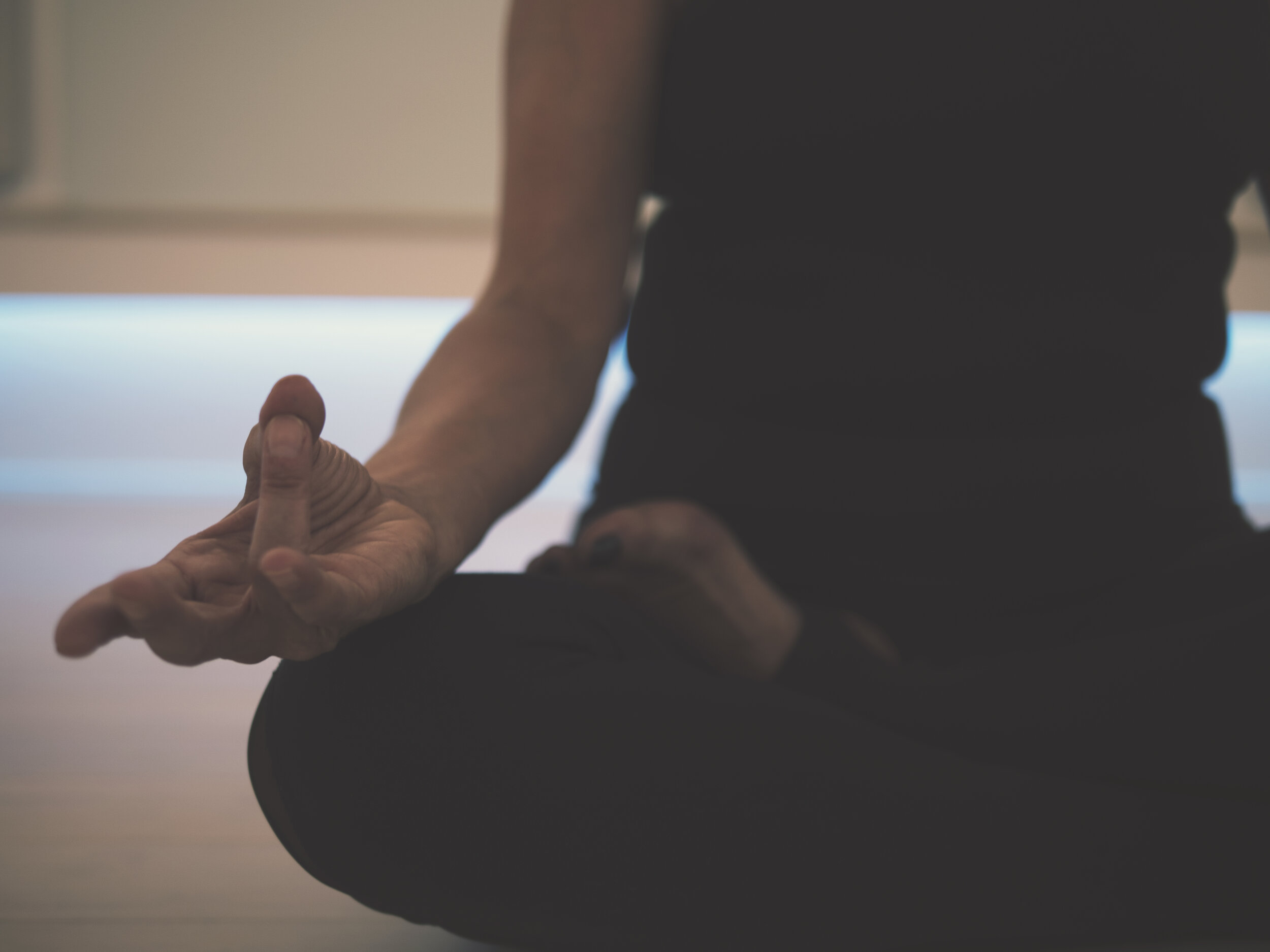
Meditation is a practice of intentionally setting aside time to sit, breathe, and bring the mind into a calmer, more settled state. Unlike mindfulness, which often involves paying attention during everyday activities, meditation usually involves dedicated periods of stillness and inward focus.
Many people find meditation helpful for supporting emotional regulation, reducing stress, and creating a sense of internal stability — especially during times of overwhelm, anxiety, or emotional fatigue. It is also known to improve focus and attention, control pain, expand your self-awareness, lower levels of stress and anxiety and many have been known to experience a genuine sense of inner peace.
How Meditation Can Help
Regular meditation practice may help to:
Calm the nervous system
Meditation can support the body in moving out of a heightened “fight or flight” state and into a calmer, more regulated one.Reduce anxiety and stress
Sitting quietly and focusing on breath or sound can help slow racing thoughts and reduce mental overload.Improve emotional regulation
Meditation can increase awareness of emotions while helping create a little distance from them, making feelings feel more manageable.Enhance focus and concentration
Many people notice improved attention and mental clarity with regular practice.Support sleep and relaxation
Meditation can be particularly helpful in winding down before bedtime and supporting better sleep quality.Create a sense of grounding and safety
For those who experience dissociation, overwhelm, or sensory overload, meditation can help reconnect mind and body in a gentle way.
Meditation Is Not About “Clearing the Mind”
A common misconception is that meditation requires an empty or perfectly calm mind. In reality, thoughts will naturally arise. Meditation is about gently noticing them and returning attention to the chosen focus — without judgement or pressure.
There is no “right” way to meditate. What matters is finding an approach that feels accessible, supportive, and safe for you.
Starting Small
Meditation doesn’t need to be long or complicated. Even 1–5 minutes can be beneficial. Some people prefer guided meditations, while others find quiet breathing or body-based practices more helpful.
If meditation feels difficult or overwhelming, this can be explored gently within therapy to find approaches that suit your individual needs.
Meditation is a tool — not a requirement. If it feels supportive, it can be a valuable part of your self-care and emotional wellbeing toolkit.
Ted Talks
Deep Meditation Music for Inner Peace 26 | Heals Mind, Body and Soul
(7) Deep Meditation Music for Inner Peace 26 | Heals Mind, Body and Soul - YouTube
15 Minute Meditation for Inner Peace - Boho Beautiful Meditation
https://youtu.be/1oneATEx5oU?si=SijcZnpjU1oXf-Ke
Mindfulness Expert - Andy Puddicombe:
https://www.ted.com/talks/andy_puddicombe_all_it_takes_is_10_mindful_minutes?language=en
Reaching Your Fullest Potential Through Meditation - Jenn Fairbank:
https://www.youtube.com/watch?v=ZhYo0-l9VaQ&feature=youtu.be
How mindfulness changes the emotional life of our brains - Richard J. Davidson:
https://www.youtube.com/watch?v=7CBfCW67xT8
How mindfulness meditation redefines pain, happiness & satisfaction - Dr. Kasim Al-Mashat:
https://www.youtube.com/watch?v=JVwLjC5etEQ
Interesting articles
https://www.mindful.org/how-to-meditate/
Meditation’s Benefits Stretch Beyond the Person Who Meditates | Scientific American
Mindfulness and Meditation Practices in 2025: The Path to Inner Clarity in a Noisy World - Revlox
https://hbr.org/2020/03/why-leaders-need-meditation-now-more-than-ever